Allergy Season
As we move through allergy season, many patients are asking the same question:
“Is this dryness… or allergies? Or ever worse, strep?”
The truth is… it can be all.
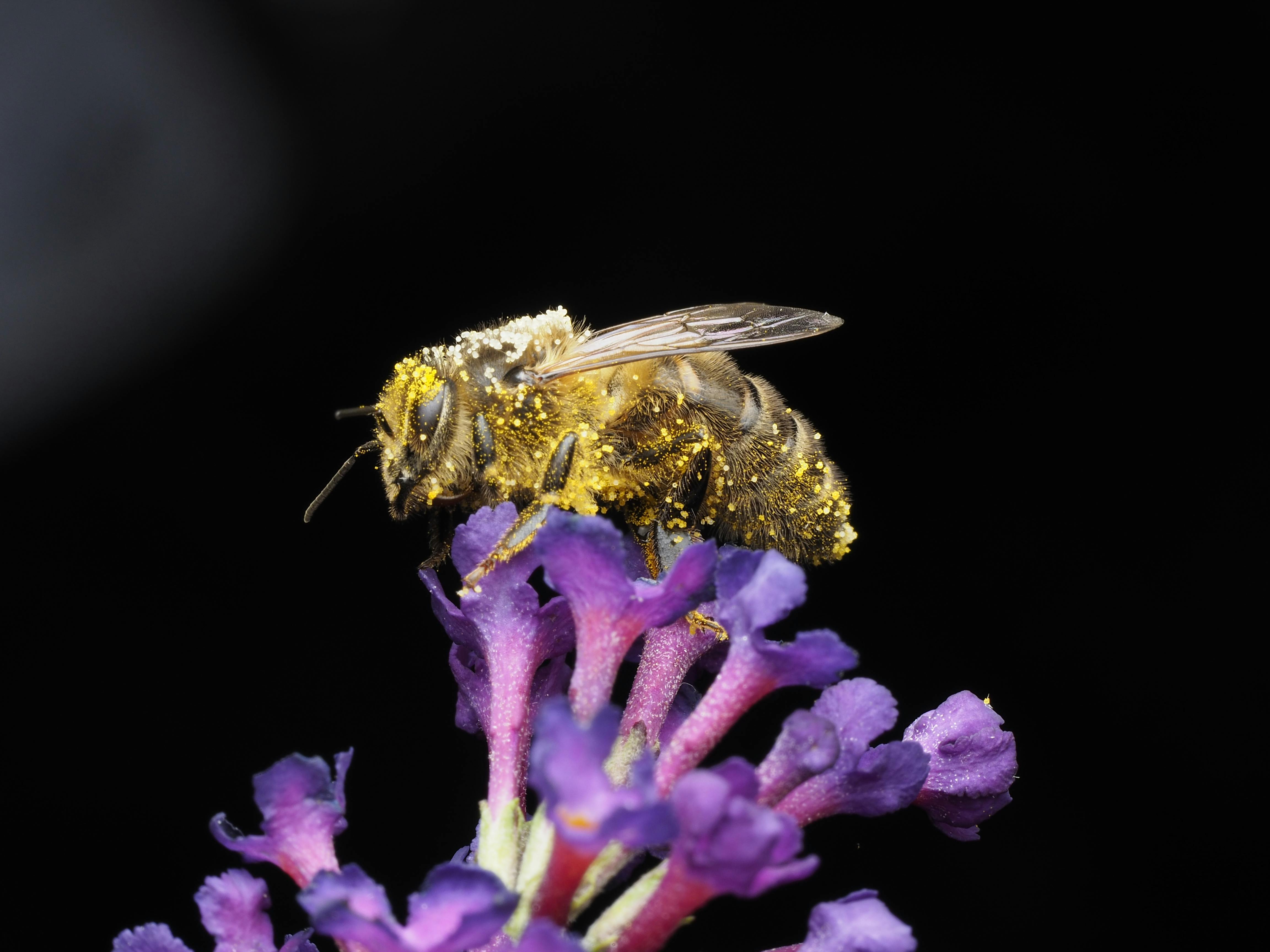
When the air is dry (cold weather or lack of rain), your mucous membranes become irritated and more vulnerable to illness, like strep or a sinus infection. On the other hand, seasonal pollen increases histamine, leading to swelling, congestion, and excess mucus.
And when moisture increases? Mold becomes a factor, another common trigger for respiratory issues.
What Can You Do?
1. Support Your Body Naturally
Hydration + Air Moisture
Increase water intake + electrolytes (sodium, potassium, magnesium; LMNT)
Use a cold mist humidifier to support airway health
2. Key Supplements
Magnesium - helps reduce your body's allergic response. Shoot for around 365 mg, 3x a day for about a month. Look for Magnesium Pidolate or Glycinate. Aspartate and L-threonate can also aid in cognitive function and healing.
Vitamin C - helps reduce histamine release and inflammation. For adults, aim for 750 mg, 3x a day. Kids should stick to 200 mg a day.
Many whole foods are a great source of Vitamin C. Look for guava, red peppers, kiwi, strawberries, oranges, and brussel sprouts.
Purchase Key Supplements prescribed directly from Dr. Kees HERE. Note, a login is required.
3. Essential Oil Support
Eucalyptus – great for clearing airways (diffuse or topical)
Peppermint + Lemon + Lavender – common “trio” for seasonal support
Ginger baths – support circulation and lymphatic movement (you can use fresh or powdered ginger)
(these oils are available through our clinic - just let us know what you’re looking for)
4. Natural Tea Remedies
Chamomile - apply cold tea bags over your eyes to reduce swelling and irritation
Common “throat coat” helps reduce dryness and inflammation
Any blend of peppermint, nettles, ginger
5. Dietary Considerations
Lower your dairy intake, as hard as it may be. Dairy directly increases mucus production.
The root of allergy symptoms comes from the release of histamines, causing inflammation throughout your body. Reducing inflammatory foods (saturated fats, ultra processed foods, and high sugar content) can reduce your baseline inflammation. You can also add foods such as greens, berries, and garlic to give your body a boost.
An important consideration is common food allergens (milk, wheat, eggs, soy, citrus, peanuts, chocolate, pork). Removing trigger foods can significantly reduce your reaction to seasonal or environmental allergies. If your immune system is given a break on fighting these allergens, it can spend more time on the environmental aspect.
The most effective dietary consideration is your water intake. By staying hydrated you’re allowing your immune system to work its hardest, your blood flow is better able to clear out congestion, and your energy levels are maintained.
Additional Considerations
Support for Children
For mild respiratory symptoms:
Vitamin C (age/weight dependent)
Echinacea tincture
Garlic (topical + small oral amounts)
Herbal tea support
Important: If a child has blue lips or nails, labored breathing, and/or a rising fever, seek immediate medical care.
Thyroid Health Matters
Hypothyroidism may worsen allergy symptoms. Hypothyroidism is a slowed or underactive thyroid, and may result in symptoms such as fatigue, unexplained weight gain, sensitivity to cold, constipation, and dry skin. If symptoms persist and you notice a worsened allergic response this season, consider a medical evaluation.
Final Thought
Your body is designed to heal - so let’s give it the right support.
If you have questions or want help building a personalized plan, we’re here to help.
Stay healthy this season,
Dr. Kees & The Kees Chiropractic Team